Everything you need to know to summit North Africa's highest peak — from training and gear to day-by-day itinerary and local tips from our Berber guides.
At 4,167 metres, Jebel Toubkal is the highest peak in North Africa and one of the most accessible high-altitude summits in the world. No technical climbing experience is required, but it demands physical fitness, proper preparation and respect for the mountain.
Is Toubkal Right for You?
Toubkal is classified as a non-technical trek but should not be underestimated. You need to be reasonably fit — able to hike 6–8 hours with significant elevation gain. Previous hiking experience is strongly recommended. In summer (June–September), no special gear beyond trekking boots is required. In winter, crampons and ice axes are mandatory.
The Standard 3-Day Itinerary
Day 1: Marrakech → Imlil (1,740m). Transfer by 4x4 (1.5 hours). Acclimatization walk through Berber villages to Around (1,800m). Overnight in a local gîte or our family home. Day 2: Imlil → Toubkal Refuge (3,207m). A 5–6 hour hike through the Mizane Valley, past the Sidi Chamharouch marabout shrine. Overnight at the refuge. Day 3: Summit attempt at dawn (4,167m) and descent. Start at 5am to catch sunrise. The summit push takes 3–4 hours from the refuge. Descent to Imlil and transfer back to Marrakech.
Essential Gear List
Sturdy hiking boots (waterproof, ankle support), trekking poles (highly recommended), layers (temperature can drop to -10°C at summit even in summer), headlamp for pre-dawn start, sun protection (the UV at altitude is intense), 2–3 litres water capacity, high-energy snacks, and a small daypack. Our guides carry first aid kits and emergency equipment.
Altitude Sickness: What to Know
Altitude sickness can affect anyone regardless of fitness. Symptoms include headache, nausea and fatigue. If you spend night 1 in Imlil (1,740m) before ascending to the refuge (3,207m), you give your body valuable acclimatization time. Ascend slowly. Drink 3–4 litres of water per day. If symptoms worsen, descend immediately.
Tip
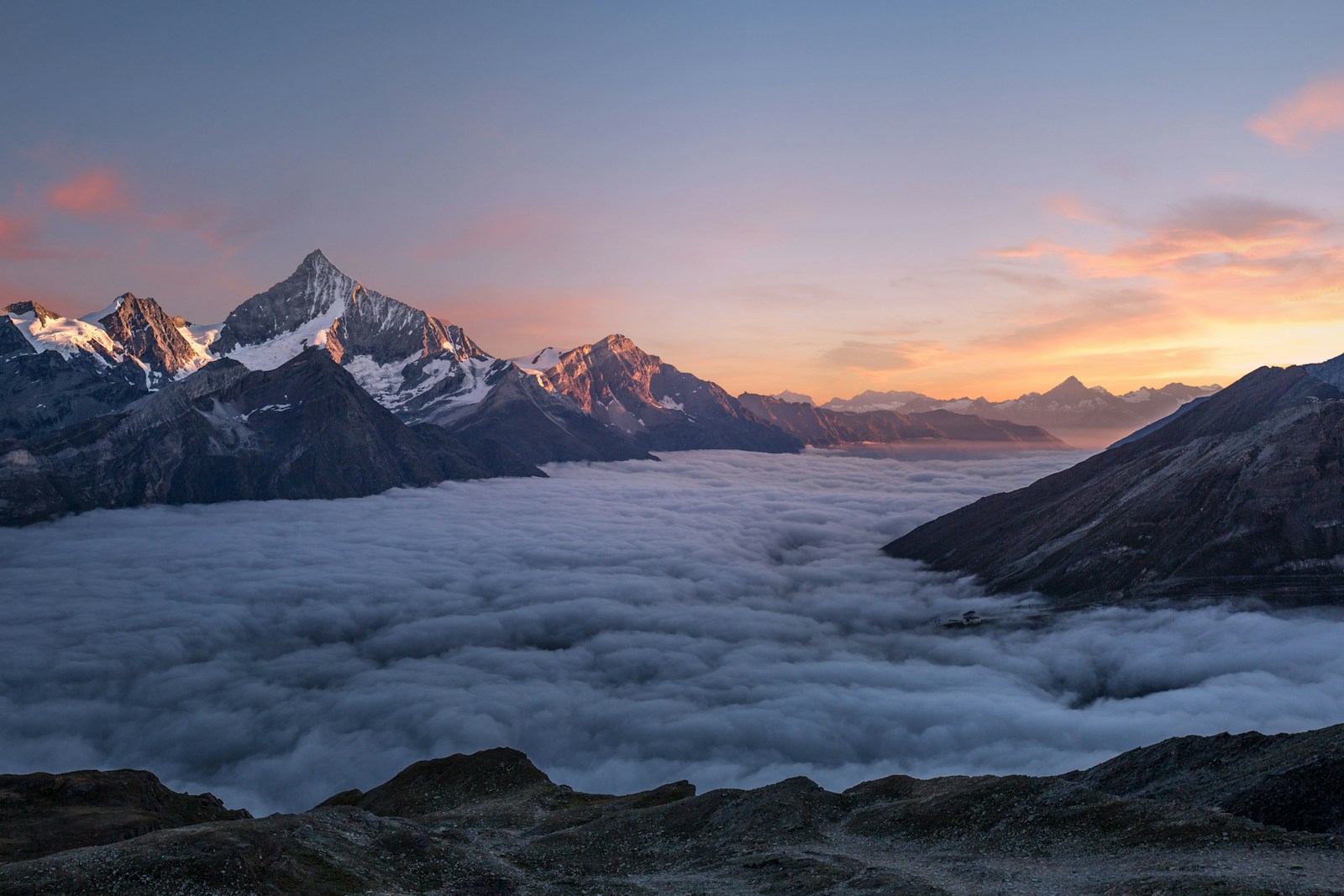
Local Secret: The best summit photos are taken looking south-east at sunrise, when the Sahara's red glow fills the horizon. Most trekkers turn north — face south for the view of a lifetime.

By
Hassan Ait Idrissi
Head Guide